Cracking the Code: Unveiling Vegetable Matter as a Source of Energy
In the world of crosswords, certain clues ignite a particular spark of recognition for solvers. One such perennial favorite, often appearing in general knowledge puzzles, is "Vegetable matter used as a source of energy." While it might seem like a straightforward query, this clue opens the door to a fascinating and deeply relevant topic: the pivotal role of plant life in powering our world, both historically and in the quest for a sustainable future. Beyond the puzzle, understanding what constitutes "vegetable matter used as a source of energy" is crucial for appreciating one of earth's most abundant renewable resources.
What Exactly is Vegetable Matter Used as a Source of Energy?
At its core, "vegetable matter used as a source of energy" refers to biomass – organic material derived from plants or animals. When we talk about vegetable matter specifically, we are primarily focusing on plant-based biomass. This can encompass a vast array of materials, from dedicated energy crops like switchgrass and corn to agricultural residues such as crop stalks and husks, forest products like wood and timber waste, and even certain types of aquatic plants like algae.
The energy within this vegetable matter is essentially stored solar energy, captured through photosynthesis. Plants convert sunlight into chemical energy, which is then locked away in their cellular structures. When this biomass is processed or combusted, that stored energy can be released and harnessed for various purposes.
For crossword enthusiasts, the common answers often circle around specific, well-known forms:
- Biomass: The overarching term, often the direct answer for this type of clue.
- Peat: A partially decomposed, semi-carbonized vegetable matter found in bogs, historically dried and used as fuel. This highlights the transformation of vegetable matter over time.
- Wood: One of the oldest and most traditional forms of vegetable energy, used for heating and cooking for millennia.
- Biofuel: A broader term for fuels derived from biomass, including bioethanol and biodiesel.
Understanding these nuances can make all the difference in solving trickier clues, such as those specifying "partially carbonised vegetable matter used as a fuel when dried" – a clear reference to peat.
From Ancient Flames to Modern Power: The Evolution of Bioenergy
The concept of using vegetable matter for energy is far from new. For most of human history, wood was the primary fuel source for heating, cooking, and early industrial processes. This direct combustion of woody biomass represents the foundational use of vegetable matter for energy. As civilizations advanced, other forms were discovered and exploited. Peat, formed over thousands of years from partially decomposed plant material in waterlogged conditions, became a vital local fuel source in many regions, particularly in Ireland and Scotland.
The 20th and 21st centuries have seen a resurgence and re-imagining of bioenergy, driven by concerns over fossil fuel depletion and climate change. Modern bioenergy technologies go far beyond simply burning wood:
Modern Applications of Vegetable Matter for Energy:
- Direct Combustion: Still a major method, especially with wood pellets or chips for industrial boilers and residential heating. Modern systems are much more efficient and produce fewer emissions than traditional open fires.
- Biofuels: This category includes liquid fuels like ethanol (often produced from corn or sugarcane) and biodiesel (made from vegetable oils such as soybean, rapeseed, or even flaxseed oil and oils from Asian pulses, as hinted at in some clues). These are designed to power vehicles and machinery.
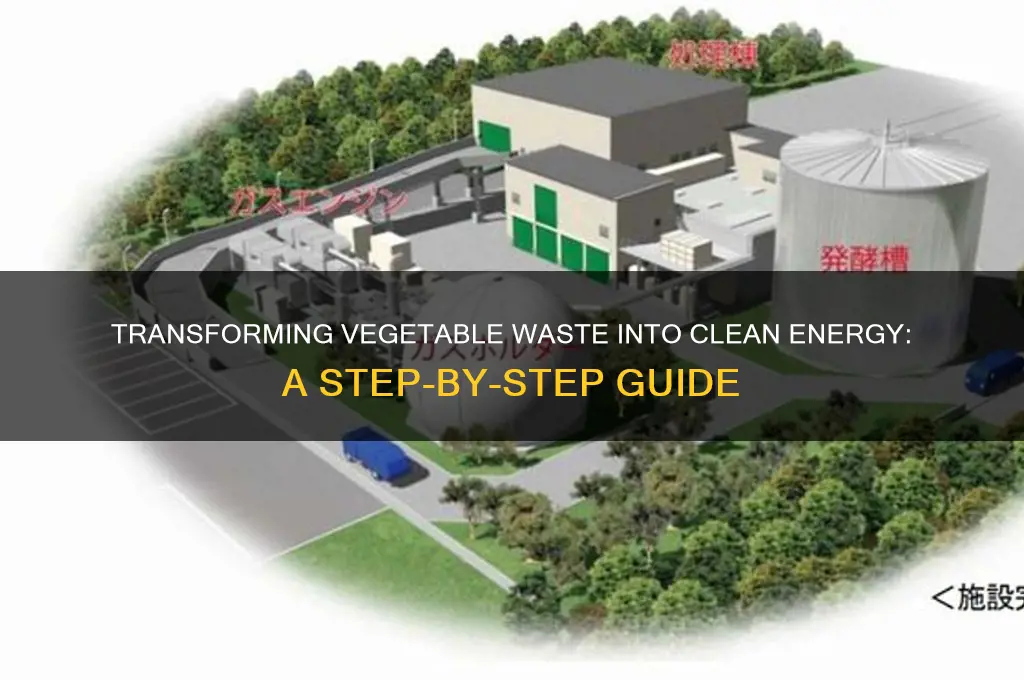
- Biogas: Produced through the anaerobic digestion of organic matter (including agricultural waste, manure, and sewage), biogas is primarily methane and can be used to generate electricity, heat, or as vehicle fuel.
- Biopower: Large-scale power plants that burn biomass to generate electricity, similar to coal-fired plants but using renewable organic matter.
- Advanced Biofuels: Research and development are focused on creating next-generation biofuels from non-food feedstocks like cellulosic biomass (switchgrass, wood chips) or algae, aiming for higher efficiency and lower environmental impact.
The shift towards these diversified uses highlights a continuous effort to harness the energy potential of plant life more efficiently and sustainably. For a deeper dive into how these clues relate to broader knowledge, check out
Unlocking the British General Knowledge Energy Source Clue.
The Benefits and Challenges of Vegetable-Based Energy
While immensely promising, relying on vegetable matter for energy comes with its own set of advantages and hurdles.
Key Benefits:
- Renewable: As long as plants can grow, biomass can be replenished, making it a sustainable alternative to finite fossil fuels.
- Waste Reduction: Utilizing agricultural residues, forest thinning, and municipal organic waste for energy diverts these materials from landfills.
- Carbon Neutral Potential: When managed sustainably (i.e., new plants are grown to replace those harvested), the carbon dioxide released during biomass combustion is reabsorbed by new growth, creating a closed carbon cycle.
- Energy Independence: Local biomass resources can reduce reliance on imported fossil fuels, bolstering regional energy security.
- Economic Development: The bioenergy industry can create jobs in agriculture, forestry, and manufacturing.
Significant Challenges:
- Land Use Competition: Growing energy crops can compete with food production, potentially driving up food prices or leading to deforestation if not managed carefully.
- Sustainability Concerns: Not all bioenergy is equally sustainable. Unsustainable harvesting practices, land-use change emissions (e.g., clearing forests for energy crops), and long-distance transport of biomass can negate carbon benefits.
- Emissions: While potentially carbon neutral over the long term, burning biomass still releases particulate matter and other pollutants that can impact air quality, especially in older, less efficient systems.
- Efficiency and Cost: The conversion of biomass to energy can sometimes be less efficient or more costly than fossil fuel alternatives, requiring ongoing research and development to improve economic viability.
Practical Tips for Crossword Solvers and Sustainable Choices
Solving a crossword clue like "Vegetable matter used as a source of energy" requires not just a good vocabulary but also a grasp of general knowledge. Here are some tips, both for the puzzle and for making informed choices about energy:
For the Crossword Solver:
- Consider Word Length: The number of letters in the solution is your first guide. Common answers like BIOMASS (7 letters) or PEAT (4 letters) are frequent fits.
- Look for Modifiers: Clues like "partially carbonised..." or "seed of flax..." provide crucial specific details that narrow down the answer.
- Think Broadly and Specifically: Start with the most common terms (like BIOMASS), but be ready to think about more specific examples if the length or surrounding letters demand it.
- Context is King: Is it a British general knowledge crossword? This might lean towards solutions more common in that region, like peat.
For more tailored advice, consider consulting
Your Guide to Solving 'Vegetable Matter Energy' Crosswords.
For Sustainable Energy Choices:
- Source Locally and Sustainably: If using wood pellets or other biomass for heating, ensure they come from sustainably managed forests or local agricultural waste.
- Support Renewable Energy: Advocate for and support policies that promote truly sustainable bioenergy development and other renewable sources like solar and wind.
- Reduce, Reuse, Recycle: The most sustainable energy is the energy we don't use. Conserve energy in your home and daily life.
- Compost Organic Waste: Reduce the amount of organic matter going to landfills, where it produces potent greenhouse gases. Composting returns nutrients to the soil and avoids methane emissions.
Ultimately, "Vegetable matter used as a source of energy" is more than just a crossword solution; it's a testament to the enduring power of nature and our ongoing efforts to harness it responsibly. From the ancient fires that warmed our ancestors to the advanced biofuels powering modern transport, plant life remains an indispensable component of our energy landscape. As we navigate the complexities of climate change and energy independence, understanding and sustainably utilizing these green energy sources will be paramount.